About Me
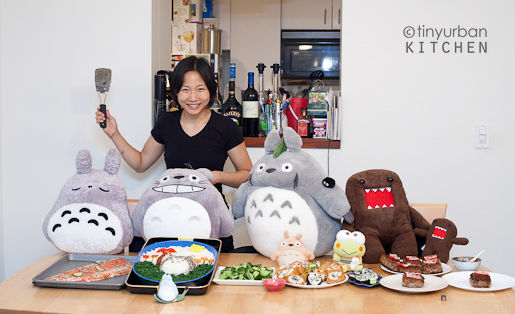
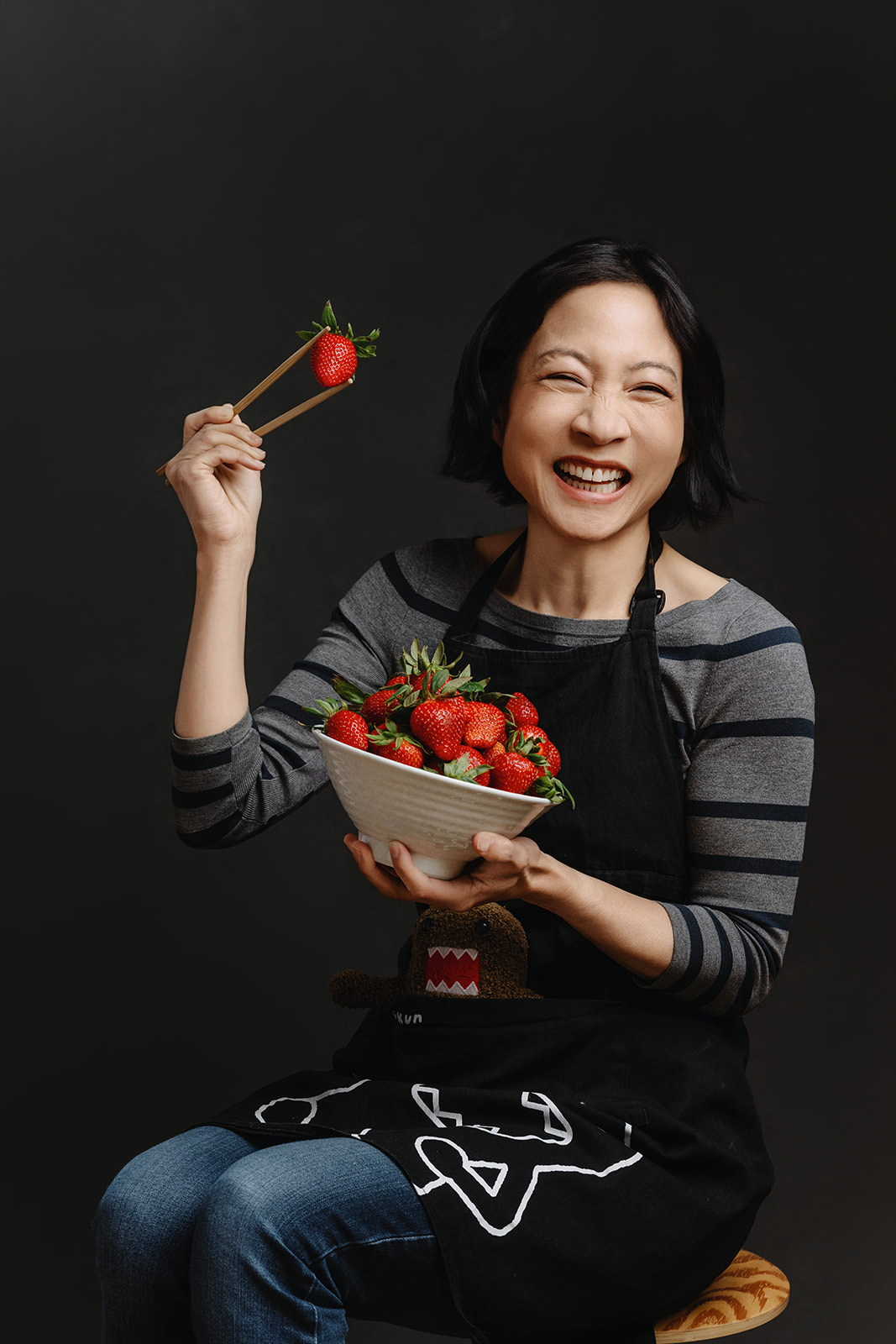
I am Jen, an expat who moved from Boston to Hong Kong 7 years ago. Born and raised in Ohio to Taiwanese immigrant parents, I am a chemistry nerd, patent attorney by day, blogger by night, church musician on weekends, and food enthusiast always.
I've eaten at over 800 restaurants, developed close to 350 recipes, and have traveled to over 50 cities spanning 20+ countries and 5 continents. Have a look around, and enjoy!
Latest Articles
- Planque London: Tasting the Unexpected
 It all started with a chance encounter. Bryan was attending a dinner organized by one of our food & wine loving friends in Hong Kong. I was out of town, so I couldn't make it. At the dinner, Bryan meet a lady who happened to be visiting from the UK. "Oh, I'll be visiting London...
 - Sunday Brunch at Bala Baya London
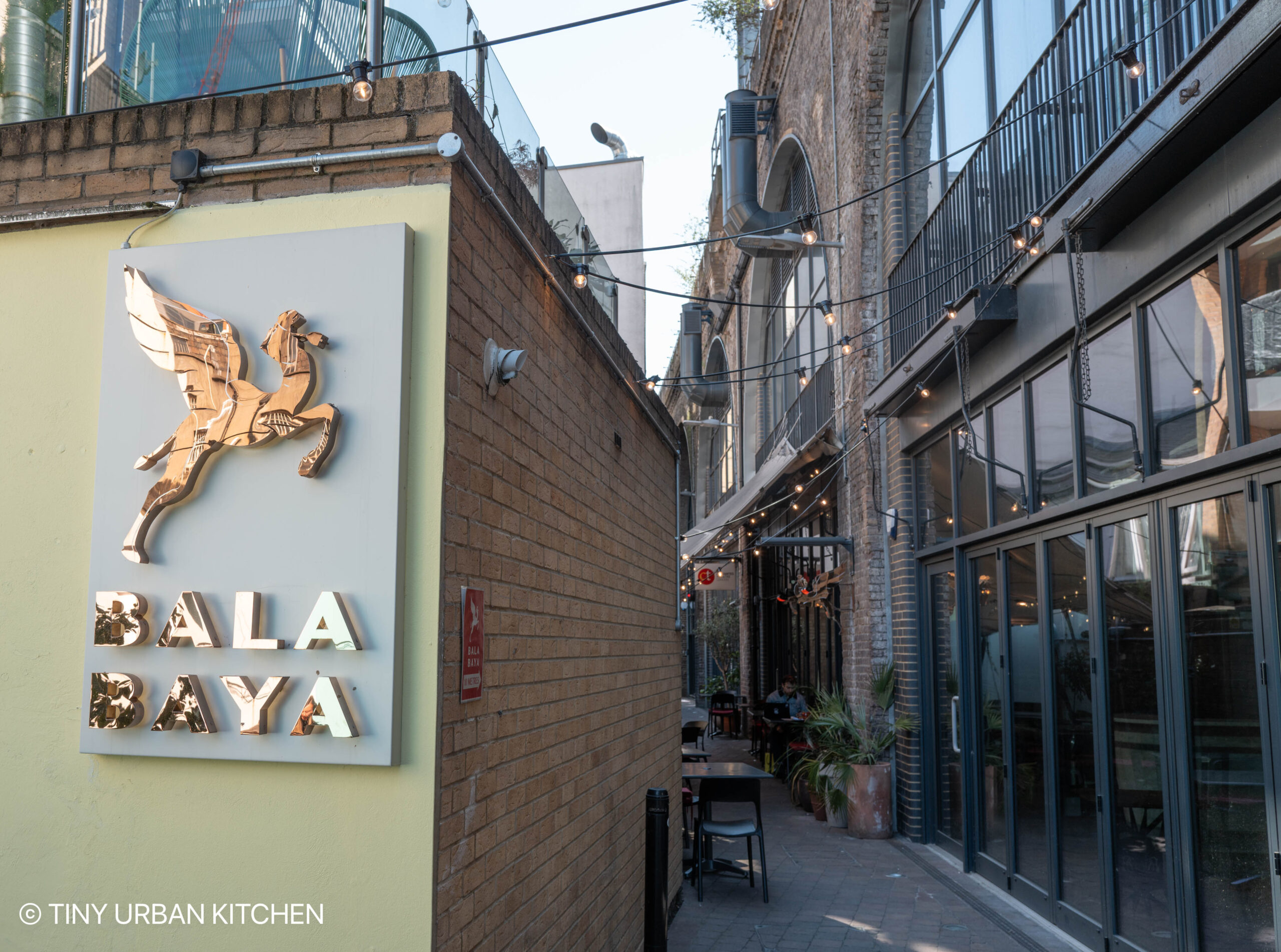 As we left our hotel on Sunday morning to try and attend service at St. Paul’s Cathedral, we found ourselves unexpectedly caught up in the energy of a citywide race weaving through central London. Though exciting, it also became quite challenging for us to cross certain streets to get to the Cathedral! Thankfully, we were...
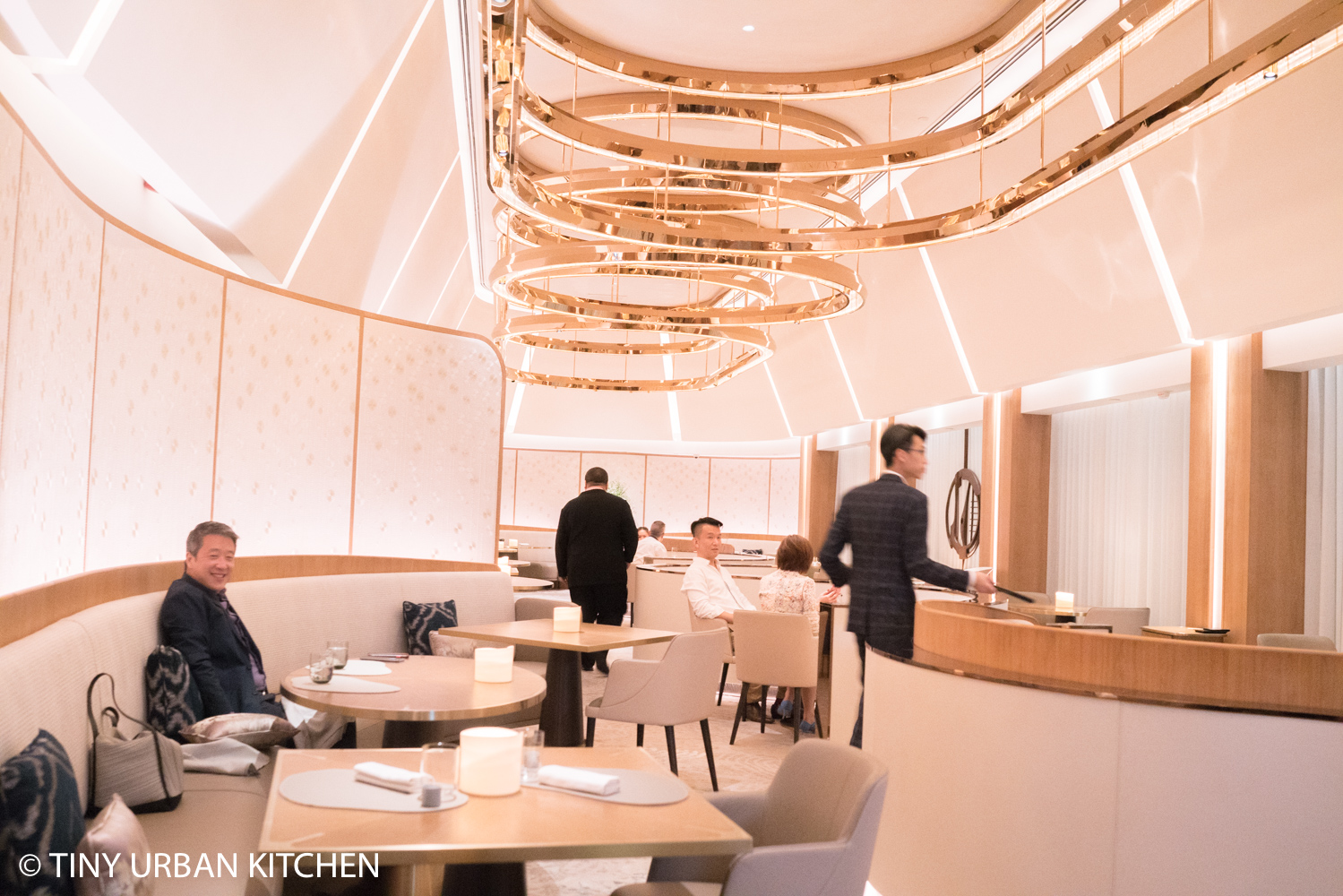
 - Ta Vie Hong Kong 旅 (3 Michelin Stars)
 One of the best meals Bryan and I had this past year was at Ta Vie in Hong Kong. A holder of 3 Michelin stars, Ta Vie embodies Chef Hideaki Sato's focus on bringing out the simple and pure flavors of an ingredient. Chef Sato trained in French cuisine first. He switched to Japanese cuisine...
 - Pleka IFC Hong Kong - Italian Japanese fusion
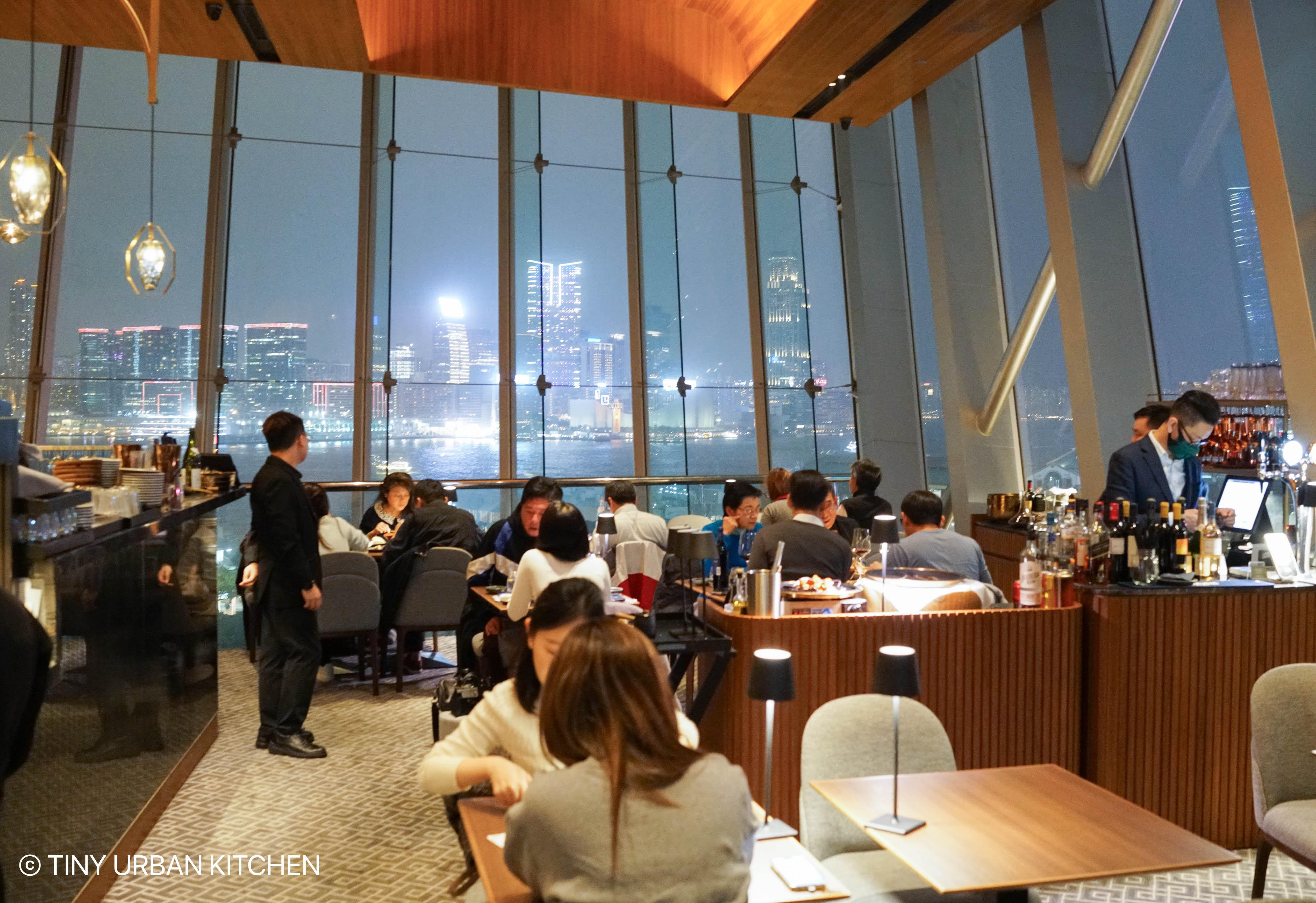 Imagine being fully surrounded by glass windows with unobstructed views of Victoria Harbour. An then imagine you were enjoying elegant dishes inspired by Italian-Japanese concepts and flavors. That's exactly what Pleka, located just outside the main IFC mall in Central, is all about. Although I'd been to IFC many many times (and have dined at...
 - Weekend Trip to Nanjing China
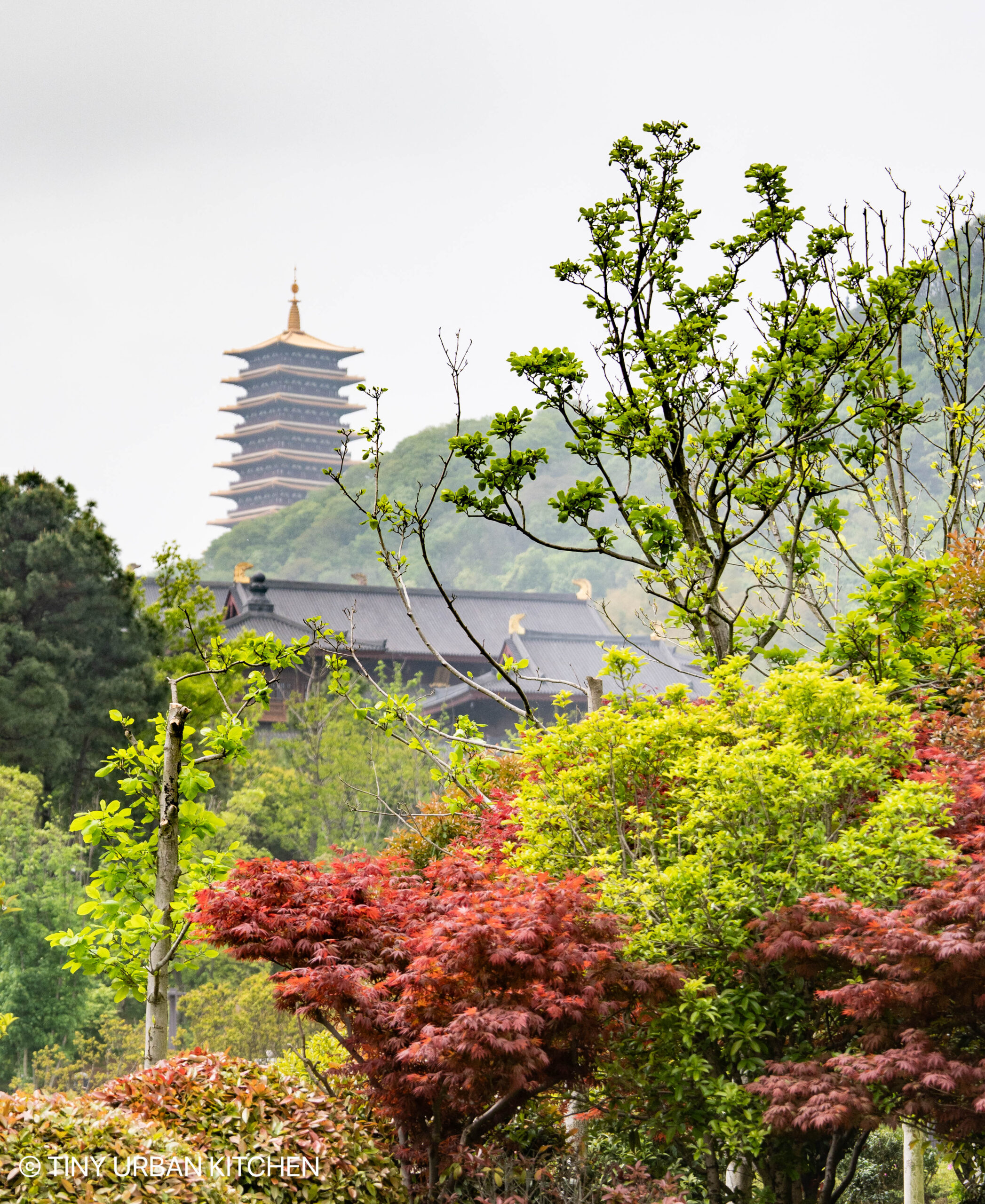 I took a short weekend trip to Nanjing, China at the beginning of April 2024. Nanjing is a former capital of China and has a lot of history. The Japanese invaded Nanjing during the second Sino-Japanese War and massacred tens to hundreds of thousands of people, something the Chinese still very much remember to this...
 - Po Toi Island and Stanley Hong Kong
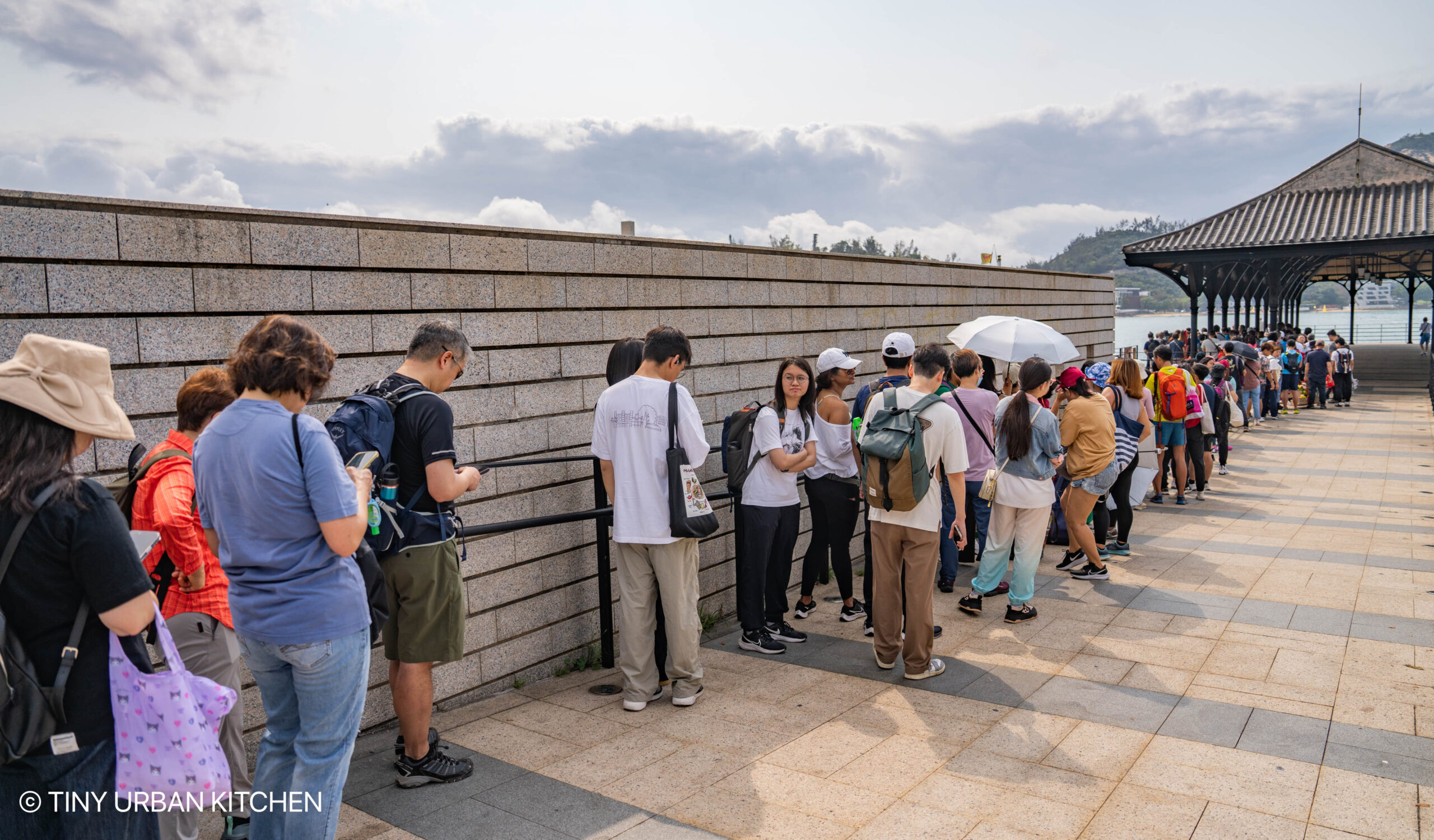 Old Mansion Family Mo You can walk around and explore the different rooms. The Paths Around the Island are Easy to Navigate The hiking trails around the island are extremely well marked. It will take several hours to explore everything, and we ended up not having enough time to explore the entire island during our...
Michelin Stars
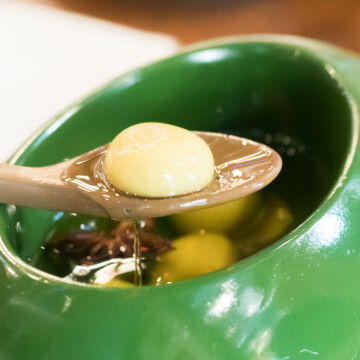
Recipes by Category
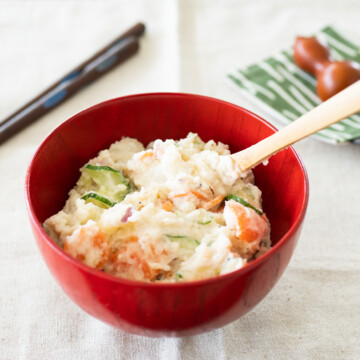
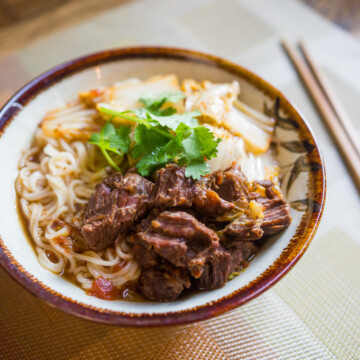
GLOBETROTTER
I travel A LOT, and I always do extensive research about food before going to a new location. Therefore, if you’re planning on visiting a new place, definitely check out the places I’ve visited and written about in these locations when you’re planning your trip.
United States
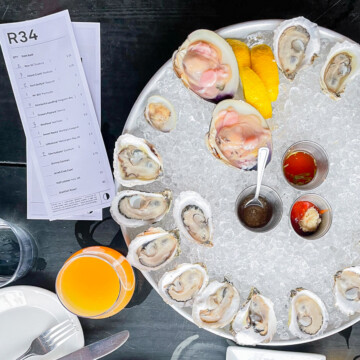
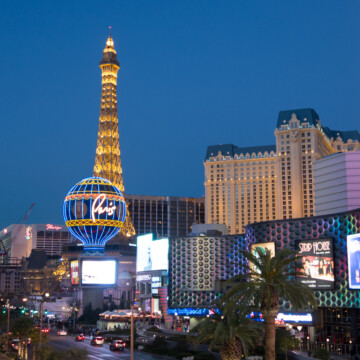
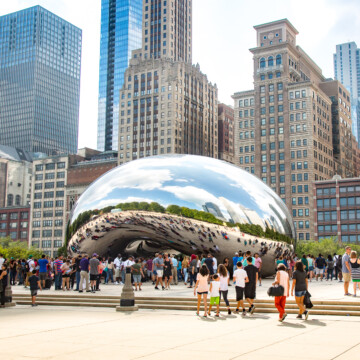
I grew up in Ohio (where I ate mostly my mom's cooking - see recipes above!), but spent 20+ years living in Cambridge, a college city right next to Boston. I've spent a lot of time trying food all over the US. There are certain places I visit almost annually, and thus know especially well, such as New York, Las Vegas, and both Northern and Southern California.


Latest US Articles
- Bottega + Ottimo Yountville
- Ciccio Yountville
- Charter Oak St. Helena Napa Valley California
- Cole's Chop House Napa California
- Compline Restaurant + Wine Shop Napa
- Thomas Keller's La Calenda: A Tribute {Now Closed}
- Thomas Keller Ad Hoc + Addendum + Bouchon Bakery
- Mandalay San Francisco (Burmese Food)
- Boulette Larder (Ferry Building) San Francisco
- Bodega SF (Modern Vietnamese)
- Tselogs (Filipino food) Daly City California
- Jen's Top Restaurants to visit in Boston - 2023 Update
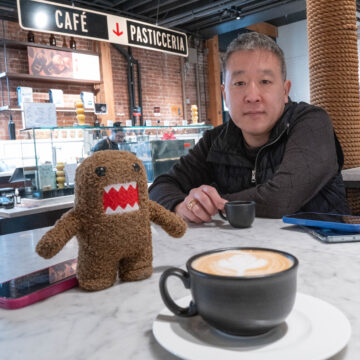


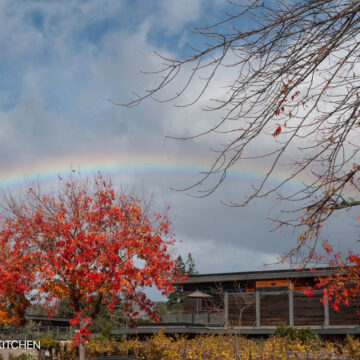


See more US travel posts
North / South America
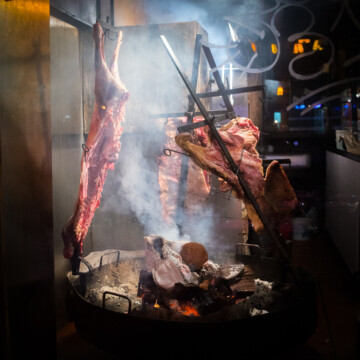
Aside from the US, I did grow up only an hour from Canada, so we would often drive to Windsor for dim sum and Chinese groceries! I've only been to South America (Argentina) once, but it was a fascinating experience!

Asia
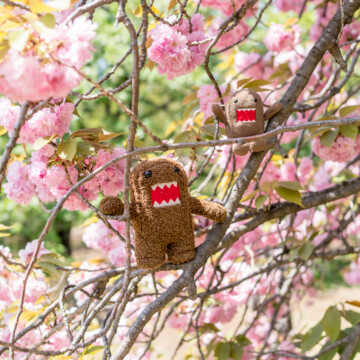
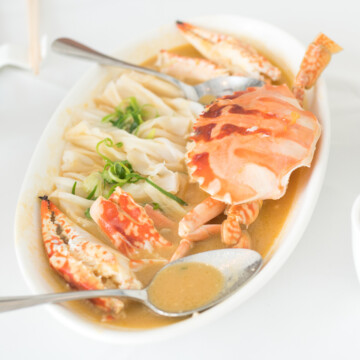
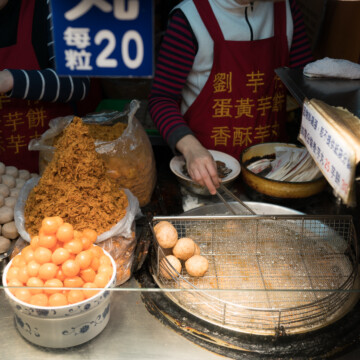
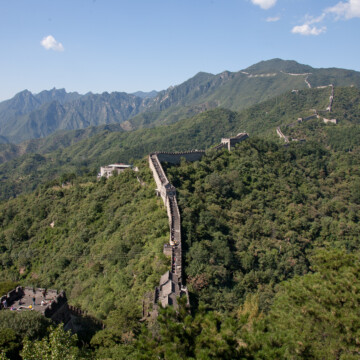
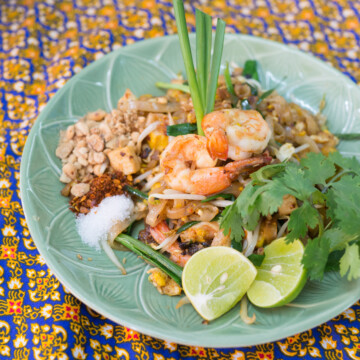
I have lived in Hong Kong for the past 5 years and thus have traveled quite a bit around the region (heh, until the pandemic came). Hong Kong and Japan are both magnificent food cities. One could spend a lifetime just exploring those two places alone. Taiwan is the place of my roots, and I have nostalgic memories visiting it with my family. Finally, these past several years I’ve been able to taste my way through numerous cities in Mainland China, as well as explored many locations throughout Southeast Asia.
Latest Hong Kong Articles
- Ta Vie Hong Kong 旅 (3 Michelin Stars)
- Pleka IFC Hong Kong - Italian Japanese fusion
- Po Toi Island and Stanley Hong Kong
- Wakaran Wan Chai
- Godenya Hong Kong (revisited)
- The Chairman Hong Kong (1 Michelin Star)
- Hanu (Korean Beef) Wan Chai
- Always Joy Hong Kong
- Daai Zaak Mira Moon Causeway Bay Hong Kong
- Amber Revisited
- No. 9 SBI Canteen 9號軟庫飯堂 - Softbank Private Kitchen
- Testina Hong Kong
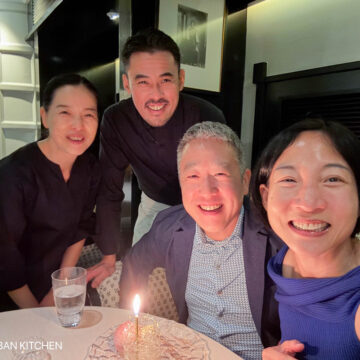

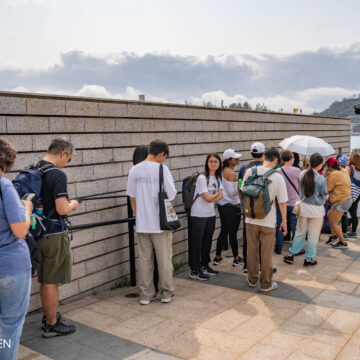

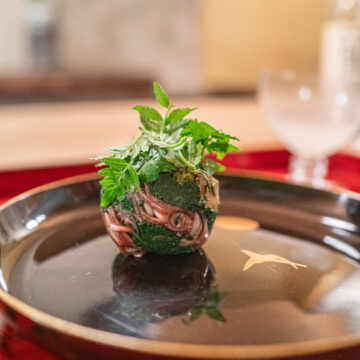


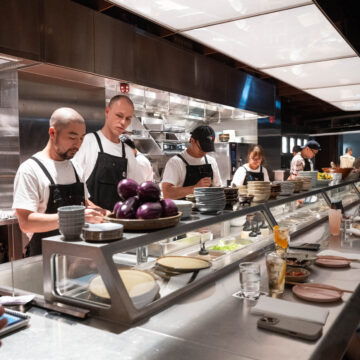

See more Hong Kong travel posts
Europe
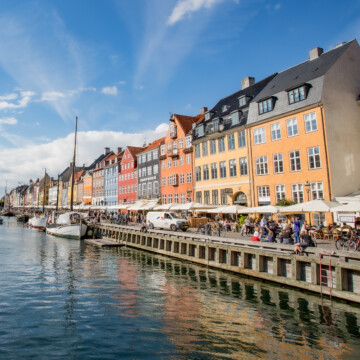
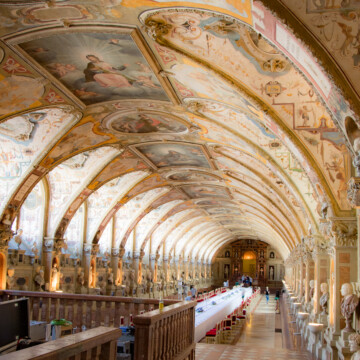
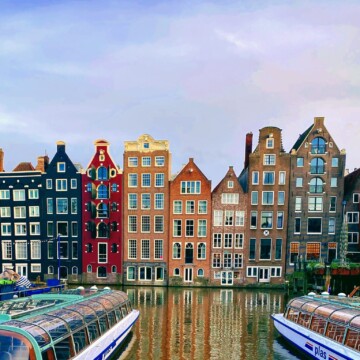
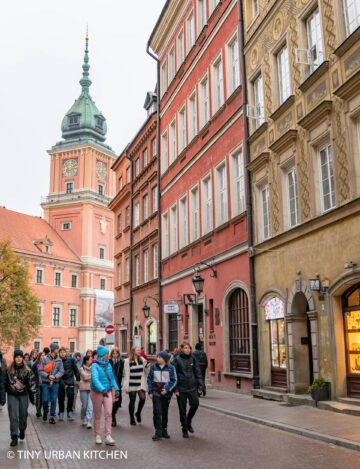
I love Europe's rich history, stunning architecture, breathtaking landscapes, and incredible food. There's a sense of familiarity, perhaps because I spent so much time in Boston, a most "European-like" city in the US. Through the years I've had unique opportunities to explore many parts of this continent, both for work and pleasure. I never tire of it.



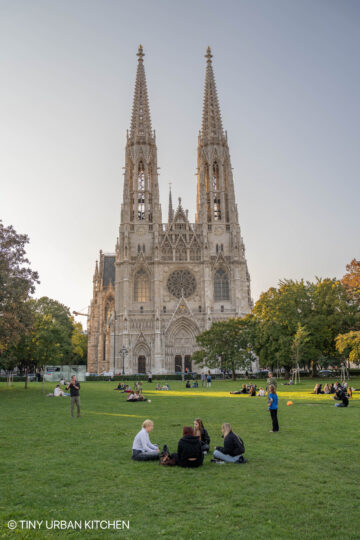
Latest Europe Articles
- Planque London: Tasting the Unexpected
- Sunday Brunch at Bala Baya London
- Vienna Austria Trip Report
- Steirereck Vienna Austria
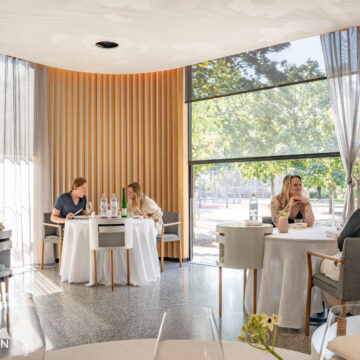
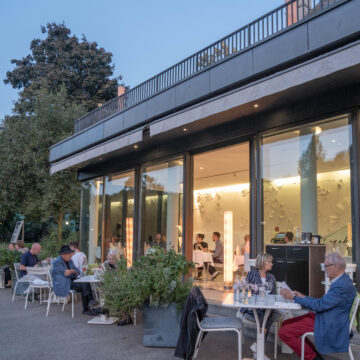
- Meierei im Stadtpark Vienna Austria
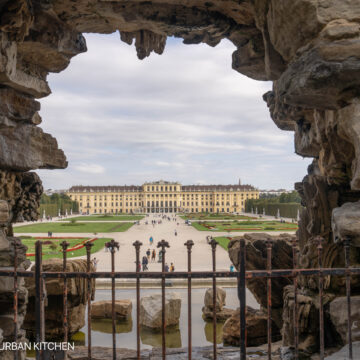
- Schönbrunn Palace & Hofburg Palace Vienna Austria
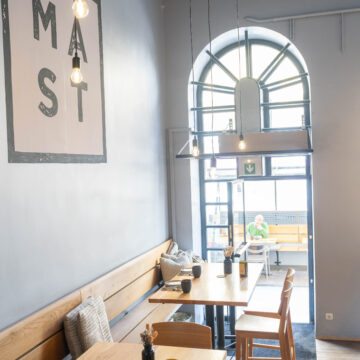
- Mast Weinbistro Vienna Austria
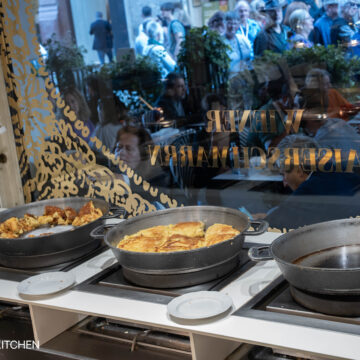
- Kaiserschmarbn at Demel in Vienna Austria
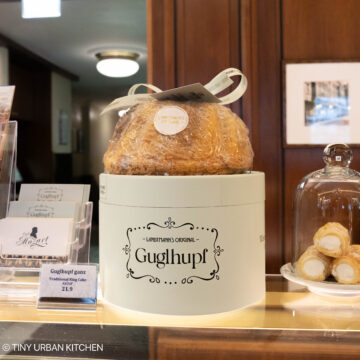
- Mozart Café and Café Landtmann in Vienna Austria
- Brasserie Palmenhaus Vienna Austria
- Bilbao Spain - Top Things to Do
- Azurmendi Spain (3 Michelin Stars)


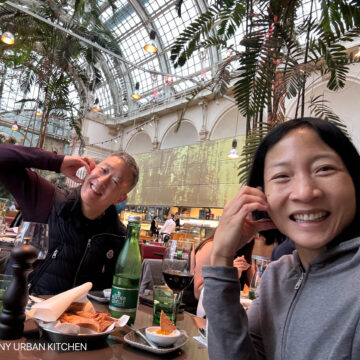
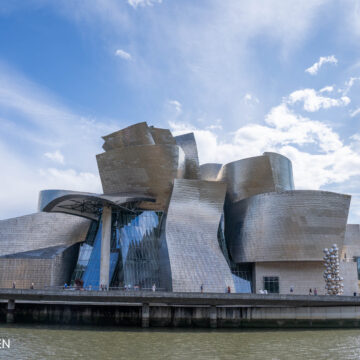
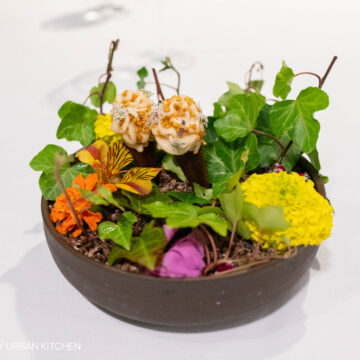
See more travel guides!→
Most Popular Posts
Most popular posts is purely based on the number of hits using Google Analytics.